Professional Data Sanitization Services – Secure, Certified & Compliant
Trusted Data Sanitization Services Across Pakistan
NIST 800-88 Compliant | ISO 27001 Certified | Secure Data Destruction
What Is Data Sanitization?
Data sanitization permanently removes information from storage devices. Nobody can recover it – not even with forensic tools.
Your business creates sensitive data every day. Customer records, financial files, employee information, and trade secrets need complete destruction when you upgrade equipment.
Deleting files doesn’t work. Reformatting doesn’t work either. Your data stays on the drive, waiting for someone to recover it.
Data Sanitization vs Data Erasure vs Data Destruction
Data Sanitization
Data Erasure
Data Destruction
Why Data Sanitization Is Critical for Pakistani Businesses?
Pakistan’s digital economy grows faster every year. So do data security threats.
The State Bank of Pakistan reports rising cyber incidents targeting financial data. Companies upgrading IT systems face serious risks from improperly disposed devices. Your competitors can extract trade secrets, pricing strategies, and customer lists from your discarded devices. Manufacturing formulas and strategic plans all live on storage devices you’re replacing.
Banks & Financial Institutions
Need documented proof of secure disposal. Auditors demand Certificates of Destruction showing international standard compliance.
Healthcare Providers
Manage extremely sensitive patient information. Medical records require HIPAA-equivalent protection. Hospitals replacing systems must sanitize thousands of devices properly.
Government Agencies
Handle classified information needing maximum security. The lack of certified providers in Pakistan previously limited secure disposal options.
E-commerce Platforms
Collect customer payment information and purchase histories. GDPR applies to Pakistani businesses serving European customers.
Small Businesses
Often think data sanitization only matters for large corporations. Wrong. Even modest businesses store valuable customer data and financial information.
The Risks of Improper Data Disposal
Discarded devices without sanitization become goldmines for criminals.
Identity Theft
Intellectual Property Theft
Regulatory Penalties
Reputation Damage
Legal Liability
Supply Chain Vulnerabilities
Our Data Sanitization Services
ServIDEAS offers comprehensive data sanitization solutions tailored to your security needs. From software-based erasure to complete physical destruction, we protect your business data at every level.
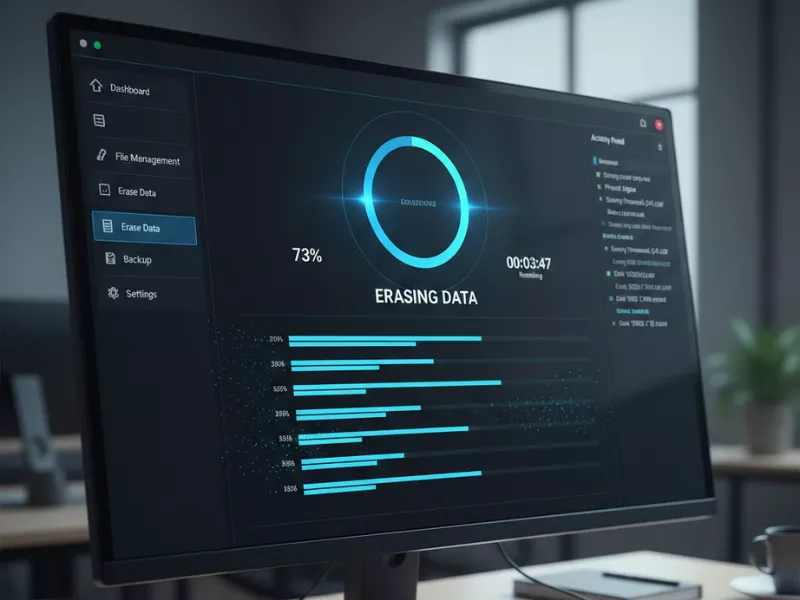
Software-Based Data Erasure
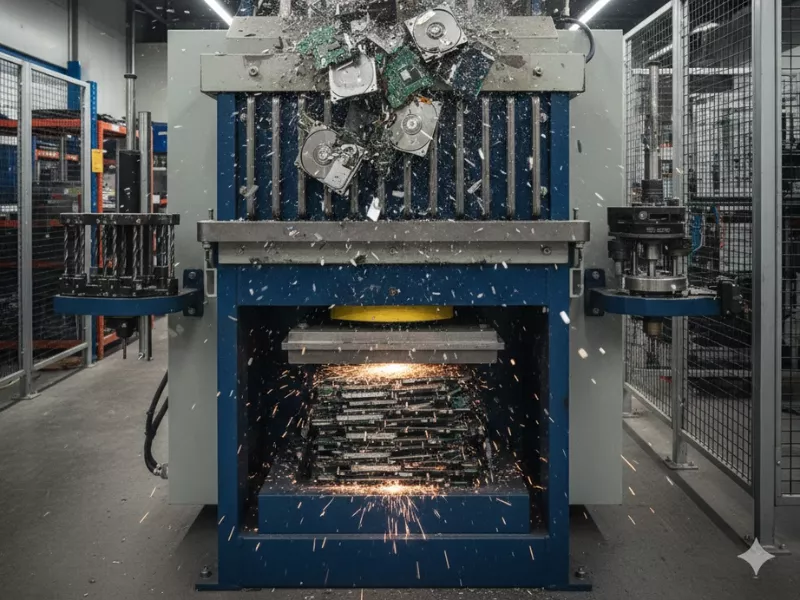
Physical Data Destruction
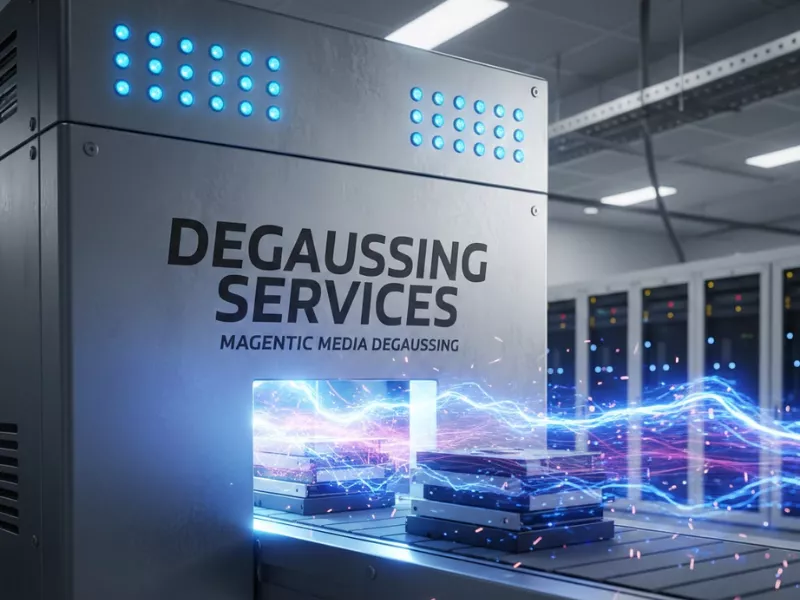
Degaussing Services
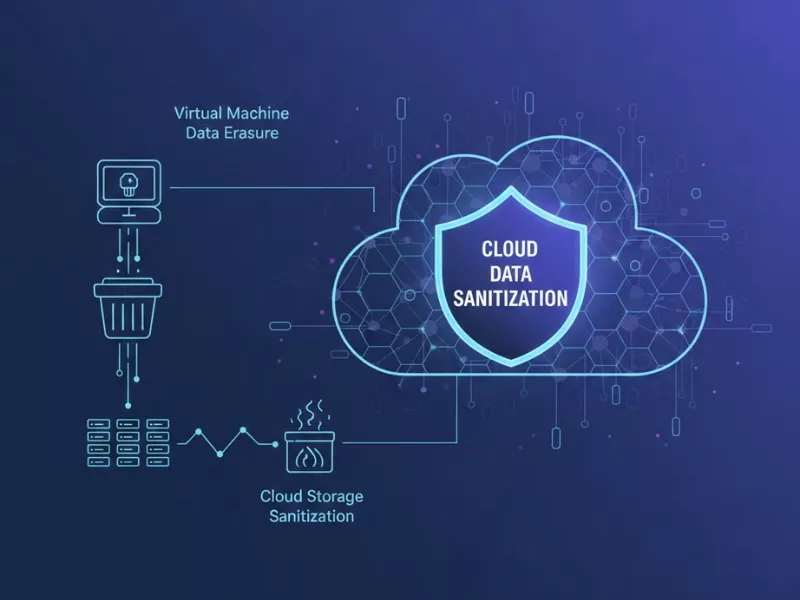
Cloud Data Sanitization
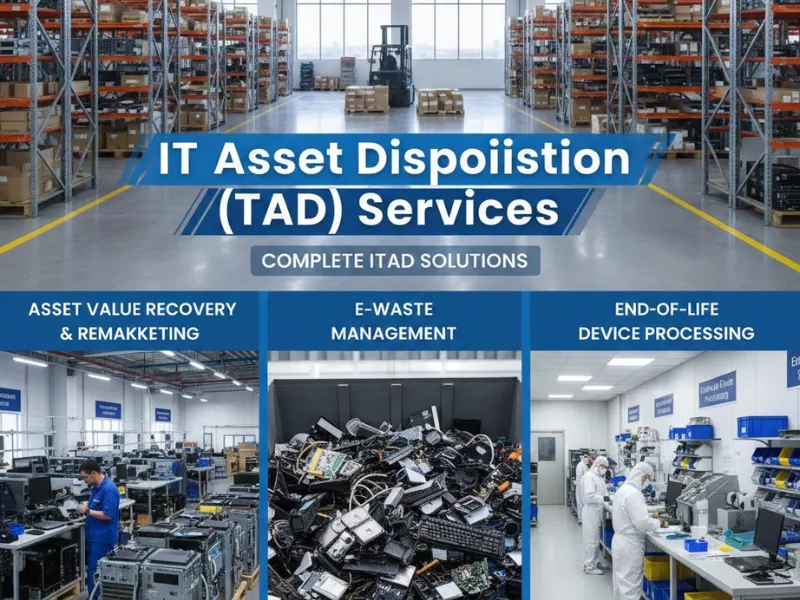
IT Asset Disposition (ITAD) Services
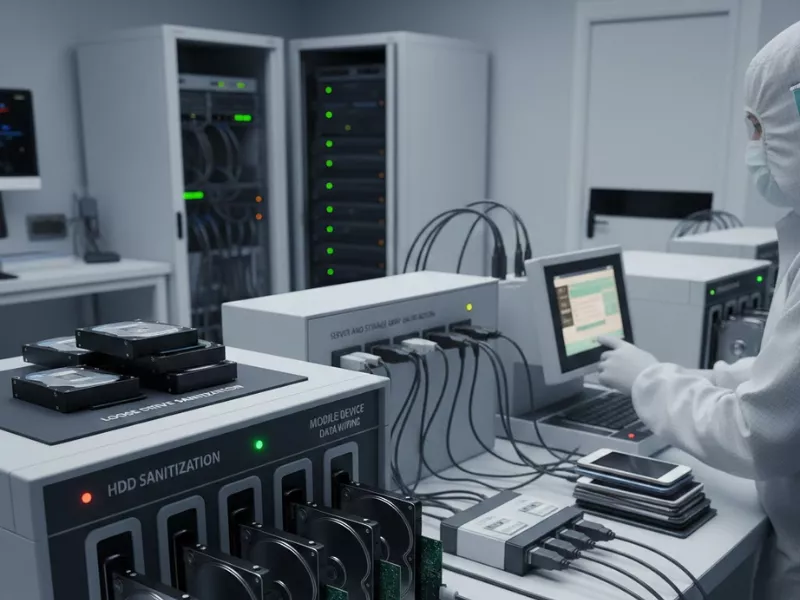
Device-Specific Sanitization
Data Sanitization Methods We Use
NIST Special Publication 800-88 defines three core sanitization categories. Each category addresses different security levels and use cases. ServIDEAS applies the right method based on your data sensitivity and compliance requirements.
Clear Method (NIST Category)
The Clear method protects against simple data recovery attempts using standard tools. This category applies to devices you plan to reuse within your organization or sell in non-sensitive markets.
Purge Method (NIST Category)
Purge provides protection against state-of-the-art laboratory recovery techniques. This category suits devices that handled sensitive information but remain functional and reusable.
Destroy Method (NIST Category)
Destroy renders devices completely unusable through physical destruction. This category provides absolute certainty that data cannot be recovered under any circumstances.
Hardware-Based vs Software-Based Sanitization
Understanding the difference between hardware and software sanitization helps you choose the optimal approach. Both methods achieve secure data removal but work through different mechanisms.
Software-Based Sanitization
Hardware-Based Sanitization
When to Use Each Method
Choose Software-Based When:
Choose Hardware-Based When:
Combine Both Methods When:
Industries We Serve in Pakistan

Healthcare Data Protection

Financial Services & Banking

Government Agencies

Enterprise IT & Corporations

Educational Institutions

Telecom & Technology Companies
Compliance & Certifications
International Standards We Follow




Data Privacy Regulations
Our Data Sanitization Process
Data Sanitization Tools & Technology
ServIDEAS invests in industry-leading sanitization technology. Our enterprise-grade software and certified hardware equipment ensure complete data removal. Every tool meets international standards for security and reliability.
Enterprise-Grade Software
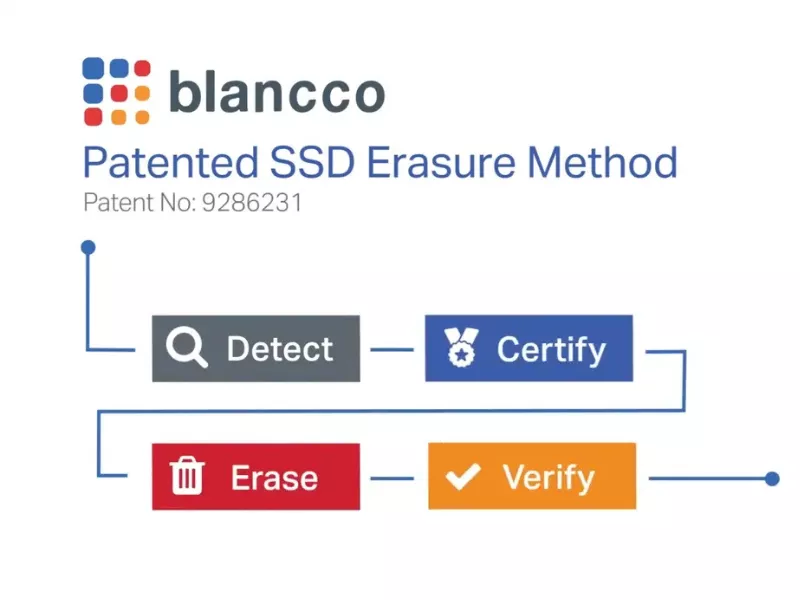
Blancco Data Erasure Solutions
Blancco leads the global data erasure industry with certifications from 15+ governing bodies worldwide. This software sanitizes over 40 million devices annually across enterprises globally.
Key Features: Automated erasure workflows, cloud-based management console, compliance reporting, mobile device wiping, and remote erasure capability.
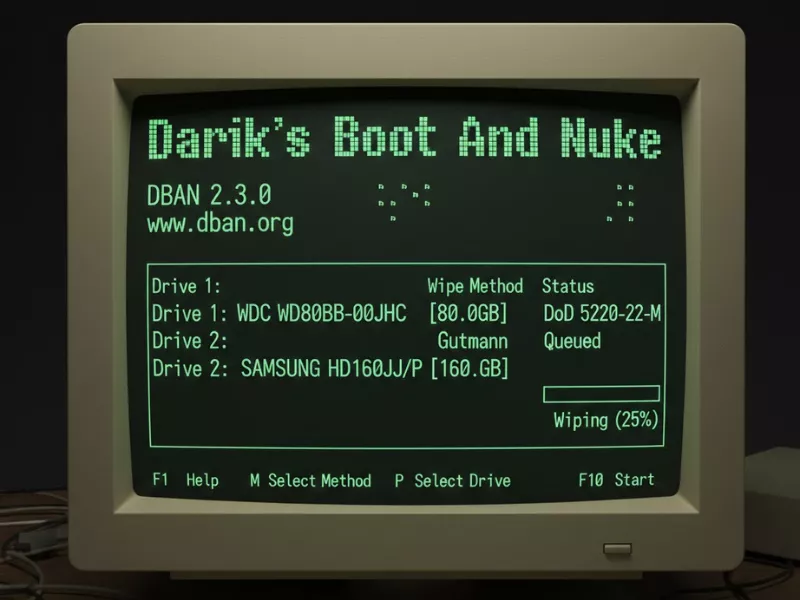
DBAN (Darik’s Boot and Nuke)
DBAN provides bootable data destruction for personal computers and laptops. This free tool boots from USB drives or CDs to sanitize entire systems.
Best Applications: Individual PC sanitization, consumer-grade devices, and projects without strict certification requirements.
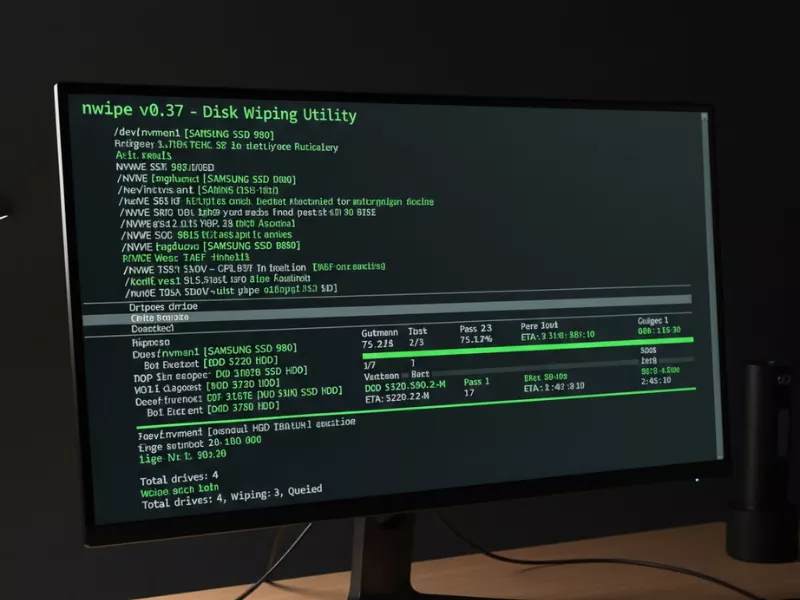
nwipe – Open Source Sanitization
nwipe represents the modern evolution of DBAN with active development and enhanced features. This open-source tool sanitizes multiple drives simultaneously through parallel processing.
Advantages: Free and open-source, actively maintained, supports parallel wiping, detailed logging, and works with bootable Linux environments.
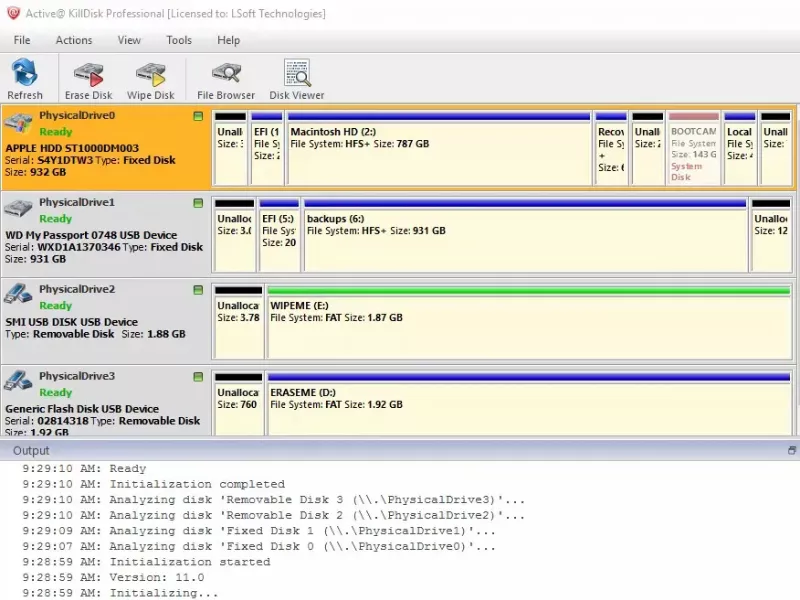
Active@ KillDisk Professional
Active@ KillDisk combines user-friendly interfaces with powerful sanitization capabilities. The Professional version supports 22+ international sanitization standards.
Supported Standards: NIST 800-88, DoD 5220.22-M, German VSITR, Russian GOST, and British HMG IS5 among others.
Hardware-Based Sanitization Equipment
Physical destruction requires specialized industrial equipment. ServIDEAS operates certified machinery meeting NSA and DoD specifications for secure data destruction.
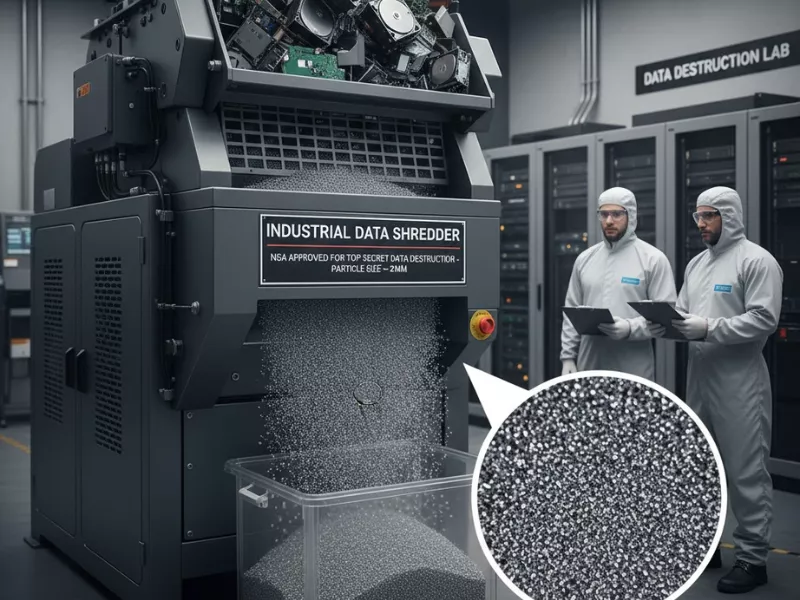
Industrial Shredders
Our industrial-grade shredders reduce storage devices to particles smaller than 2mm. This particle size meets NSA requirements for Top Secret data destruction.
Processing Capacity: Up to 500 drives per hour depending on device types and desired particle size.
Degaussers
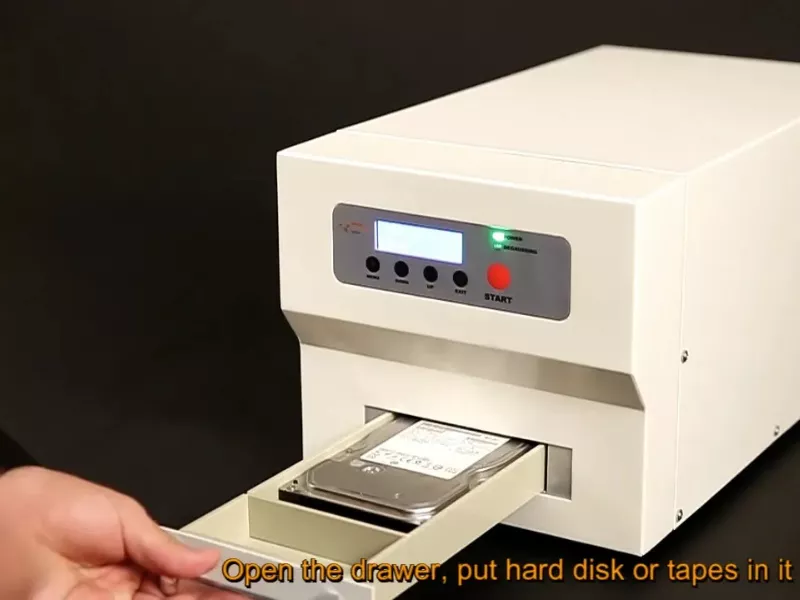
Professional degaussers generate magnetic fields exceeding 20,000 Gauss (2 Tesla). These powerful fields permanently erase magnetic storage media within seconds.
Compatible Media: Hard disk drives, magnetic tapes, floppy disks, and other magnetic storage. Does not work on solid state drives or flash memory.
Crusher and Disintegrator Machines
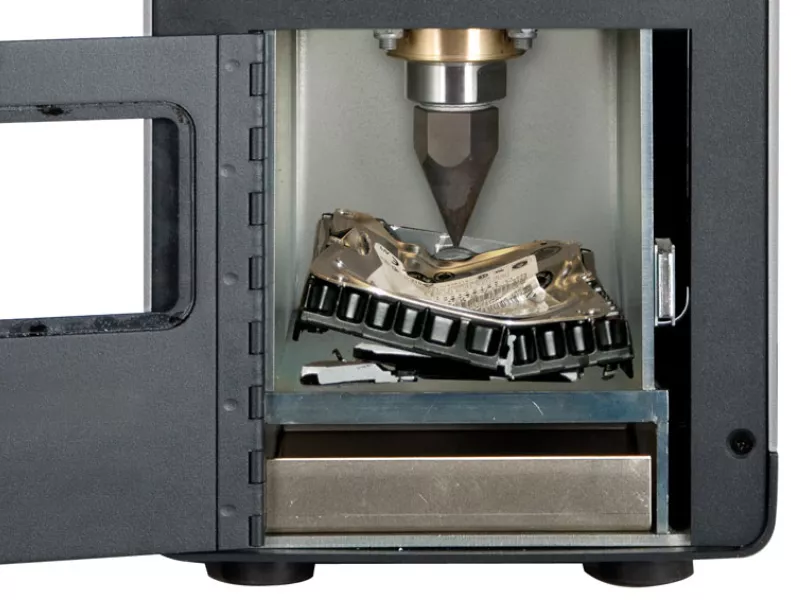
Hydraulic crushers apply thousands of pounds of pressure destroying drives instantly. The crushing process bends platters and fractures components beyond recognition.
Destruction Levels: Crushers provide basic physical destruction. Combined crusher-disintegrator systems achieve maximum security destruction.
Why Choose ServIDEAS for Data Sanitization?
Pakistani businesses trust ServIDEAS to protect their most sensitive data. Our combination of certified expertise, advanced technology, and customer commitment sets us apart from competitors.
Years of Experience in IT Asset Disposition
ServIDEAS has processed thousands of devices for Pakistani organizations across every major industry. Our team understands the unique security challenges businesses face in Pakistan’s evolving digital landscape.
We’ve sanitized data for banks, hospitals, government agencies, and multinational corporations. This experience taught us how to handle diverse compliance requirements and security protocols.
Comprehensive Service Coverage
ServIDEAS serves businesses nationwide with flexible service delivery options. Whether you need on-site destruction or facility-based processing, we accommodate your requirements.
We’ve sanitized data for banks, hospitals, government agencies, and multinational corporations. This experience taught us how to handle diverse compliance requirements and security protocols.
On-Site and Off-Site Services Available
On-site services bring certified equipment directly to your premises. Watch the entire sanitization process from start to finish ensuring complete transparency.
Off-site processing occurs at our secure facilities equipped with advanced technology. Devices travel in GPS-tracked vehicles maintaining chain of custody throughout.
Serving Islamabad, Rawalpindi, Lahore, Karachi & All Major Cities
Our main facilities operate in Islamabad with regional presence in Karachi and Lahore. This network provides rapid response times across Pakistan’s major business centers.
We extend services to Faisalabad, Multan, Peshawar, Quetta, and other cities nationwide. Remote locations receive scheduled service visits ensuring no business gets excluded.
International Standard Compliance
Our sanitization methods align with NIST SP 800-88 guidelines adopted by organizations worldwide. We also follow DoD 5220.22-M and IEEE 2883-2022 standards.
Clients receive compliance documentation for their records. Our certificates satisfy auditors from regulatory agencies and internal compliance teams.
Advanced Security Protocols
Data security extends beyond sanitization techniques to every operational aspect. ServIDEAS implements comprehensive security measures protecting your assets throughout our process.
Secure Facility with 24/7 Surveillance
Our processing facilities feature restricted access zones protected by biometric authentication systems. Only authorized personnel enter areas containing client devices.
Background-Checked Personnel
Every ServIDEAS team member undergoes comprehensive background verification before employment. This includes criminal record checks and employment history validation.
Encrypted Data Transfer
All digital communications use encrypted channels protecting information in transit. This includes project details, device inventories, and sanitization reports.
Transparent Reporting
Detailed Certificates and Audit Trails
Every sanitized device receives a Certificate of Erasure or Certificate of Destruction. These documents include serial numbers, sanitization methods, dates, and technician signatures.
Comprehensive audit trails track devices from pickup through final processing. Each step gets documented with timestamps and responsible personnel identification.
Environmental Responsibility
ServIDEAS combines data security with environmental stewardship. Our sustainable practices protect Pakistan’s environment while securing your information.
Certified E-Waste Recycling
Devices unsuitable for remarketing enter our certified e-waste recycling program. We partner with internationally certified recyclers meeting R2 and e-Stewards standards.
Zero Landfill Commitment
ServIDEAS pledges that no electronic waste reaches landfills through our operations. Every component finds appropriate reuse, recycling, or disposal pathways.
Sustainable Practices
Energy-efficient equipment reduces our operational carbon footprint. LED lighting and optimized HVAC systems minimize facility energy consumption.
Data Sanitization Best Practices
When to Choose Data Sanitization vs Data Destruction
Choose Software Data Erasure When:
Software data erasure is the right choice when devices will be reused or resold, as it securely removes all data while keeping hardware intact and valuable. It is ideal when environmental sustainability is a priority because it reduces e-waste by extending the usable life of drives. Organizations focused on cost efficiency benefit from lower disposal and replacement expenses compared to physical destruction. This method is most effective when drives are functional, allowing certified erasure processes to permanently wipe data and generate compliance-ready reports.
Choose Physical Destruction When:
Physical destruction should be selected when maximum security is required and even the smallest chance of data recovery is unacceptable. It is necessary when devices are non-functional and software-based erasure cannot be performed. Many organizations must also choose this method when compliance mandates physical destruction under regulatory or contractual requirements. It is especially critical when dealing with classified information, where complete and irreversible elimination of data is mandatory.
Benefits of Professional Data Sanitization Services
Data Breach Prevention
Regulatory Compliance
Legal Protection
Brand Repo Protection
Cost Efficiency
Environmental Sustainability
Peace of Mind
Common Data Sanitization Mistakes to Avoid
Here are a few of the common mistakes organizations usually make during data sanitization.
Relying on Delete or Format Commands
Simple deletion isn’t enough
Improper SSD Sanitization
Flash memory considerations
Ignoring Hidden Storage Areas
Data could still be hidden in Bad Sectors, Host Protected Areas (HPA), and Device Configuration Overlays (DCO)
Lack of Verification
Always verify erasure success
Poor Documentation
Maintain audit trails
Service Areas in Pakistan
Our services are available in almost all cities of Pakistan
Islamabad Data Sanitization Services
Karachi Data Destruction Services
Lahore IT Asset Disposal
Rawalpindi Secure Data Erasure
Serving all provinces and territories
Frequently Asked Questions
Related Services
IT Asset Disposition (ITAD)
E-Waste Recycling & Management
Data Center Decommissioning
Hard Drive Shredding Services
Mobile Device Erasure
Server Sanitization
Office IT Equipment Disposal
Laptop & Desktop Erasure
Secure your Data
Ready to Secure Your Business Data?
Get a free consultation and quote for your data sanitization needs